Understanding Implant Loss: Causes & Solutions | Dentist-Hamburg.com
Implant loss is a significant concern in implant dentistry, affecting both patients and practitioners. Understanding the causes behind implant failure and the various risk factors involved can help in effective treatment planning and improving the survival rate of dental implants. Bone loss around implants, whether in early or late implant stages, is a key contributor to dental implant failure. The process of osseointegration, where the implant fuses with the bone, is critical for long-term success. However, when this process is disrupted, either by early or late implant loss, it can lead to complications such as peri-implantitis, which causes inflammation of the soft tissue and bone loss around dental implants.
A retrospective study analyzing early implant loss and late implant failure can provide valuable insights into factors like bone quality, systemic factors like uncontrolled diabetes, and primary stability of the implants. Augmentation techniques may be necessary to address bone loss, ensuring the success of implant placement. Treatment options, such as early loading or rehabilitation, are determined based on the implant’s condition and the overall treatment plan. At Dentist-Hamburg.com, we focus on providing tailored solutions to prevent implant failure and improve outcomes for our patients.
Advantages of Dentist-Hamburg.com and Our Services
- Comprehensive Dental Services: Dentist-Hamburg.com offers the entire range of dental services, ensuring all your oral health needs are met in one place.
- Expert Advice: Our dentists provide personalized consultations to address your dental problems and illnesses, offering the most suitable treatment options available.
- State-of-the-Art Technology: We use the latest equipment in all treatments, ensuring that you receive the best possible dental care.
- Advanced CEREC Technology: All our dentists are skilled in CEREC technology, enabling us to create all-ceramic crowns within one treatment session, reducing treatment time.
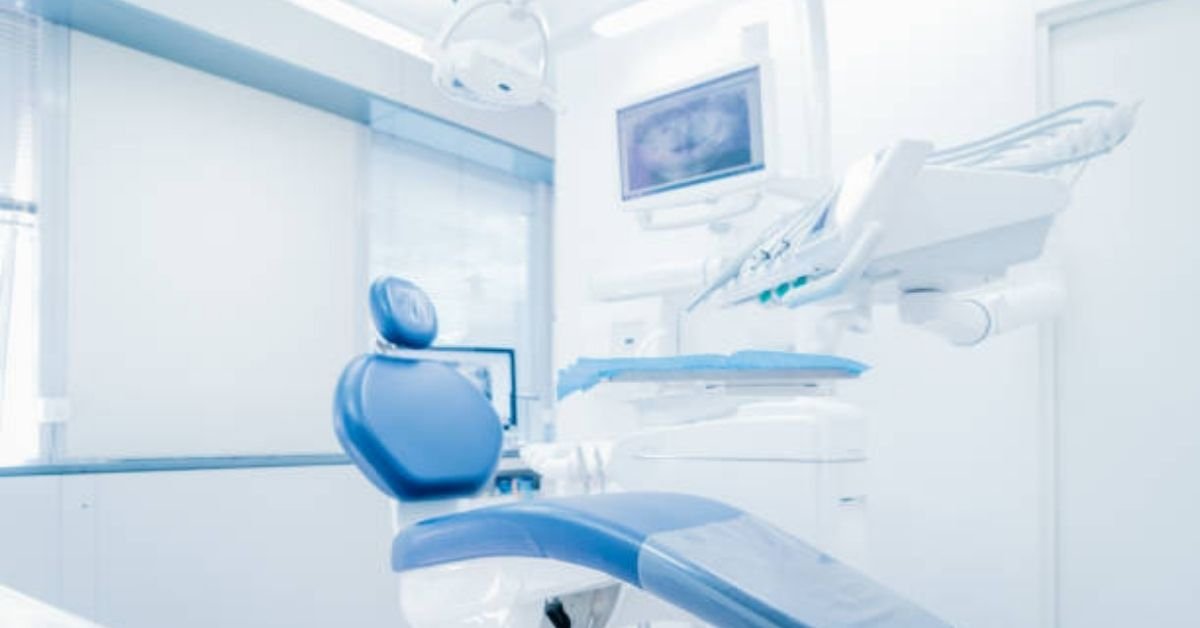
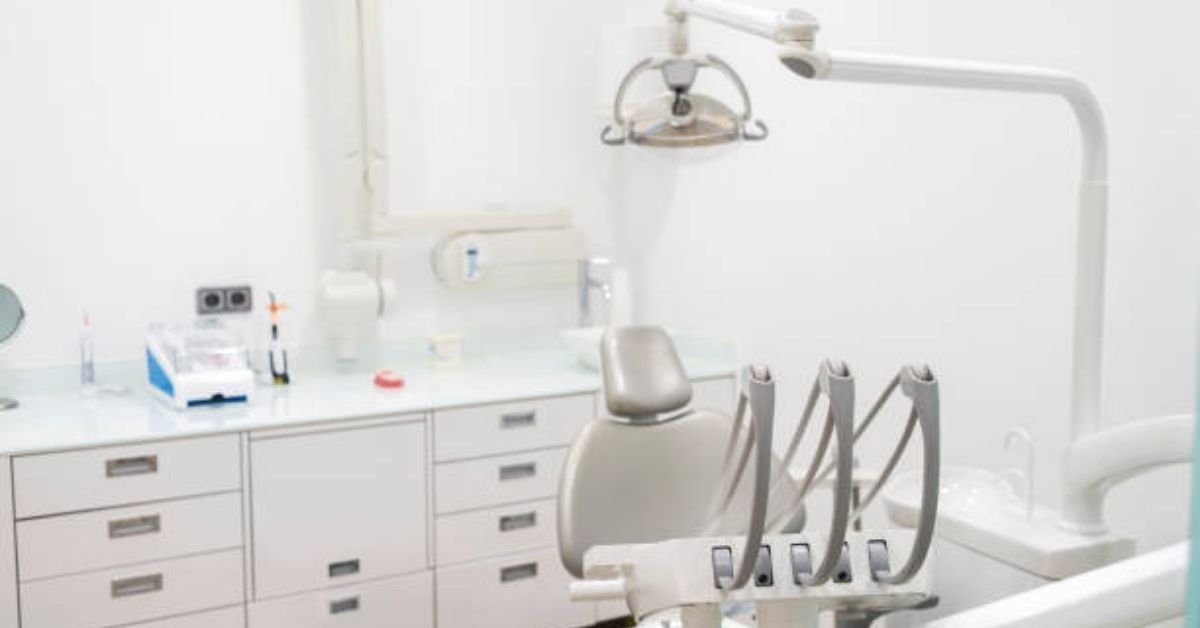
- Comfortable Treatment Rooms: Designed with your well-being in mind, our modern and bright treatment rooms offer a comfortable, non-sterile atmosphere where you can relax during your visit.
- Patient-Centered Care: We place great emphasis on the comfort and well-being of our patients, offering a range of refreshing drinks and ensuring a soothing environment throughout your treatment.
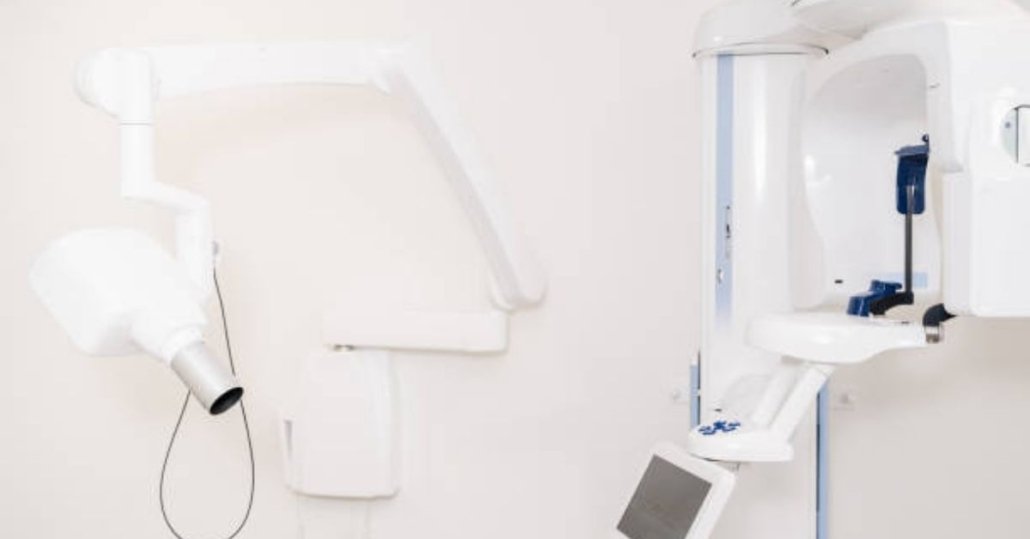
- Reduced Radiation Exposure: Our digital x-ray devices create higher quality images with significantly reduced radiation exposure, ensuring safer treatments.
- Intraoral Camera for Detailed Diagnosis: The intraoral camera provides you with a clear view of your teeth and helps in making informed decisions about your treatment plan.
- Gentle and Thorough Procedures: Using state-of-the-art ultrasound techniques, we perform root and periodontal treatments more gently and thoroughly, ensuring better results.
- Innovative Implant Solutions: We address issues such as early and late implant loss and failed implants with the most effective treatment options to ensure implant survival and reduce implant failure rates.
- Comprehensive Analysis of Implants: Our implant analysis takes into account factors like bone quality and quantity, implant site, and local and systemic factors to reduce the risk of implant failure and ensure successful implant placement.
- Customized Solutions for Implant Failure: Whether dealing with marginal bone loss, implant mobility, or bone instability, we offer personalized treatments that may include implant removal and replacement with a new implant.
What Causes Implant Loss and How Can It Be Prevented? | Dentist-Hamburg.com
Implant loss can occur due to a variety of factors, which can be classified into local and systemic issues. One of the primary causes of implant failure is poor bone quality, which can lead to insufficient bone density to properly support the implant. This is especially common when bone resorption occurs around the implant, affecting the supporting bone and resulting in implant instability. In such cases, implant mobility is a clear indicator of potential failure. The process of osseointegration, which refers to the fusion of the implant with the surrounding bone, can be disrupted due to factors like lack of primary stability or the loss of osseointegration, preventing the implant from securely integrating with the bone.
The risk factors associated with dental implants are varied. Local factors like the condition of the surrounding bone and systemic factors, such as uncontrolled health conditions (e.g., diabetes), play a significant role in the overall implant failure rate. Additionally, peri-implantitis, an inflammatory condition around the implant, can lead to bone loss and implant removal if left untreated. The risk of implant failure increases when bone metabolism is compromised, as it impacts the ability of the bone to support the implant.
To prevent implant loss, it is important to assess the bone growth and bone metabolism before proceeding with the implant procedure. If poor bone is present, treatments like bone augmentation or the placement of a new implant may be required to restore proper support. Treatment options available include the use of specialized techniques to enhance osseointegration, such as grafting procedures to improve bone density and bone resorption.
The impact on the treatment can be minimized by conducting a detailed analysis of the implant and understanding the local and systemic factors that may contribute to failure. Binary logistic regression analysis can be used to predict the likelihood of implant failure, and by analyzing factors like implant level and the condition of the surrounding bone, clinicians can take steps to reduce the risk of complications. Ensuring that the implant is placed at the correct implant level and using advanced treatment protocols can significantly enhance the success rate.
For patients experiencing implant instability or implant mobility, it may be necessary to remove the failed implant and evaluate the site for any potential issues before placing a new implant. In some cases, a high implant might be considered to overcome issues with bone growth or bone resorption. By carefully following treatment protocols and addressing any potential risks, the chances of successful long-term implant survival can be greatly improved.
Fazit
Implant loss can stem from various factors such as poor bone quality, insufficient osseointegration, and peri-implantitis. However, with a thorough analysis of implants, understanding the risk factors associated with dental implants, and implementing effective treatment options, the risk of implant failure can be significantly reduced. By addressing issues like implant instability and bone resorption, as well as using advanced techniques for bone augmentation, the chances of successful implantation and long-term implant survival are greatly enhanced. At Dentist-Hamburg.com, we are committed to providing personalized, state-of-the-art care to ensure optimal outcomes for our patients.